Incorporating Dance into Your Daily Routine
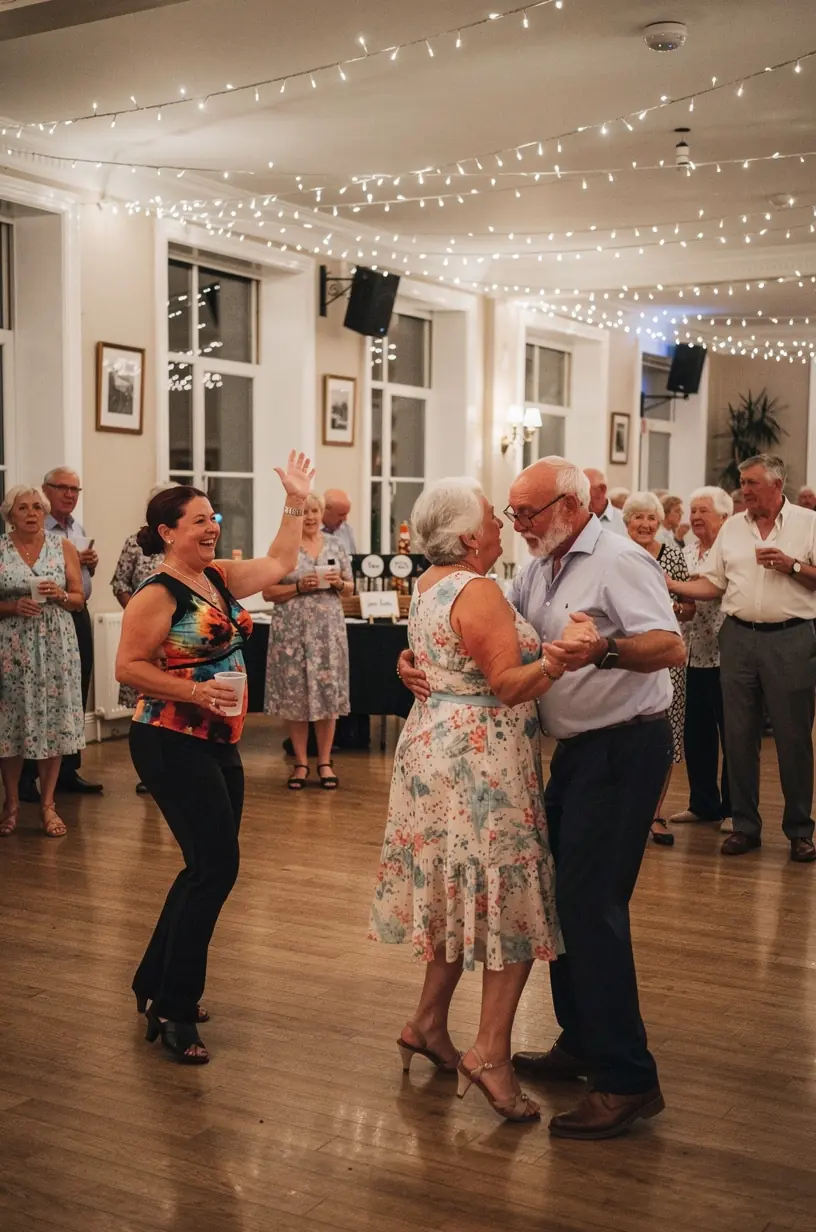
As we transition into retirement, finding ways to stay active and engaged is vital for our physical and mental well-being. Incorporating dance into your daily routine can be an enjoyable and effective way to achieve this, especially when participating in social events like bachata and salsa.
Understanding the Benefits of Dance
Research indicates that engaging in dance can significantly enhance both physical and mental health. A study published in the Journal of Aging and Physical Activity found that seniors who participated in dance classes reported improved balance, increased muscle strength, and better cardiovascular health. This is largely because dance combines physical exercise with social interaction, which is beneficial for overall well-being.
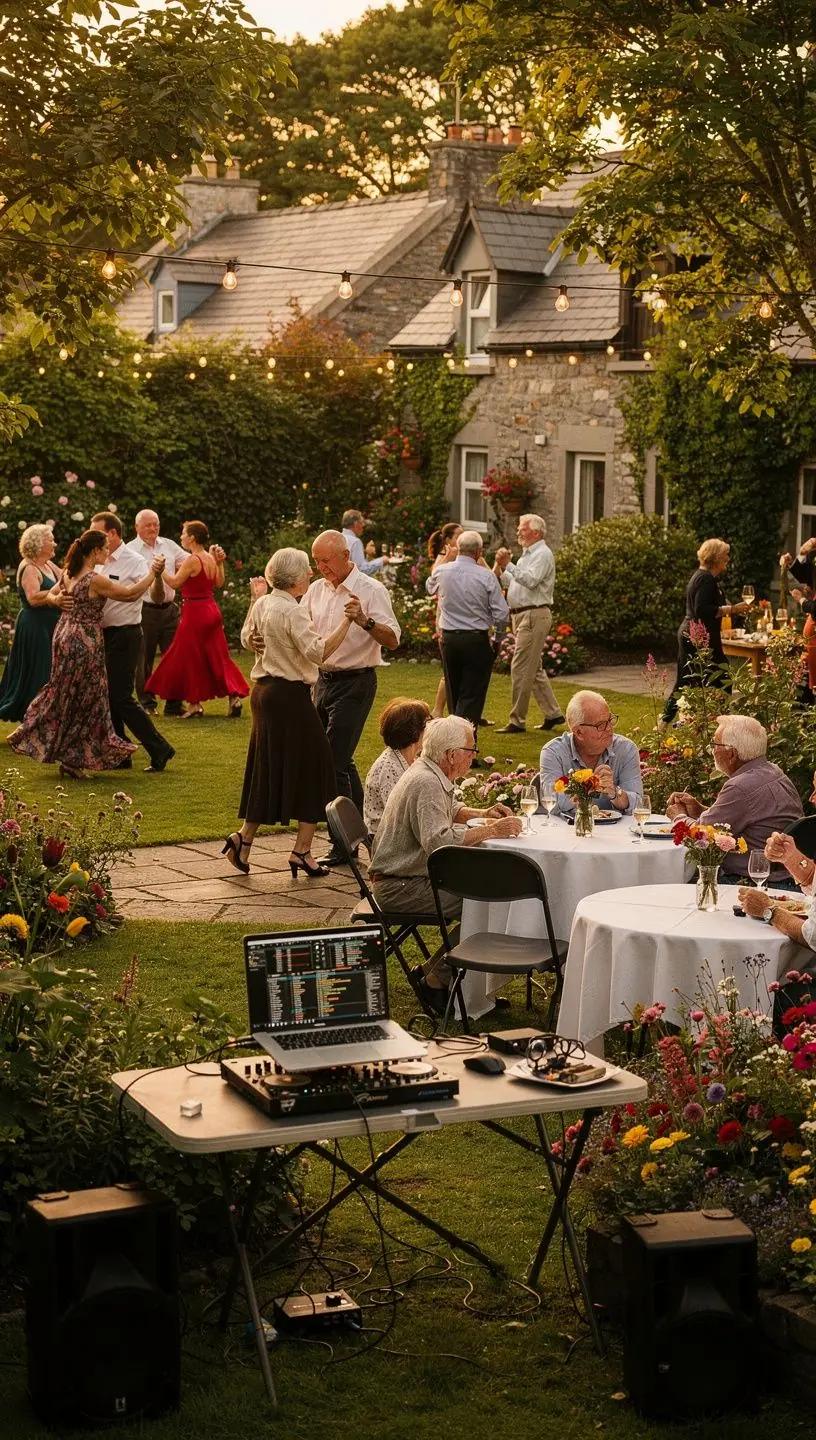
"Dance is a powerful tool for promoting health and social connection among older adults." - Dr. Jane Smith, Gerontologist
How to Make Dance a Part of Your Day
Incorporating dance into your daily routine involves a few practical steps:
- Set a Schedule: Aim to dedicate at least 20-30 minutes a day to dancing. This could be in the form of a formal class or simply turning on your favorite music at home.
- Choose Your Style: Explore different dance styles like salsa or bachata to find what resonates with you. Many people report that enjoying the music makes the movement feel more natural and less like exercise.
- Join a Class or Group: Consider joining a dance group or club. Engaging with others can enhance motivation and make the experience more enjoyable. According to industry experts, social interaction is key to sustaining long-term participation in physical activities.
Acknowledging Reality and Setting Expectations
While dance can be a fun addition to your routine, it’s important to have realistic expectations. Typically, it can take a few weeks to feel comfortable with new dance moves, and consistency is key. Many users report that practicing regularly helps build confidence and skill.
Keep in mind that, for some, learning dance may involve a learning curve. This is especially true if you have not been active for some time or if you are new to dance forms like salsa or bachata. Experts recommend starting slowly and gradually increasing the complexity of your movements as you become more comfortable.
Conclusion
Incorporating dance into your daily routine can be an enjoyable way to enhance your retirement lifestyle. By setting a schedule, choosing a style you love, and engaging with others, you can reap the numerous benefits dance offers. Remember, the goal is to have fun while staying active, so embrace the process and enjoy the music!
Learn More