Benefits of Regular Dance Attendance for Seniors
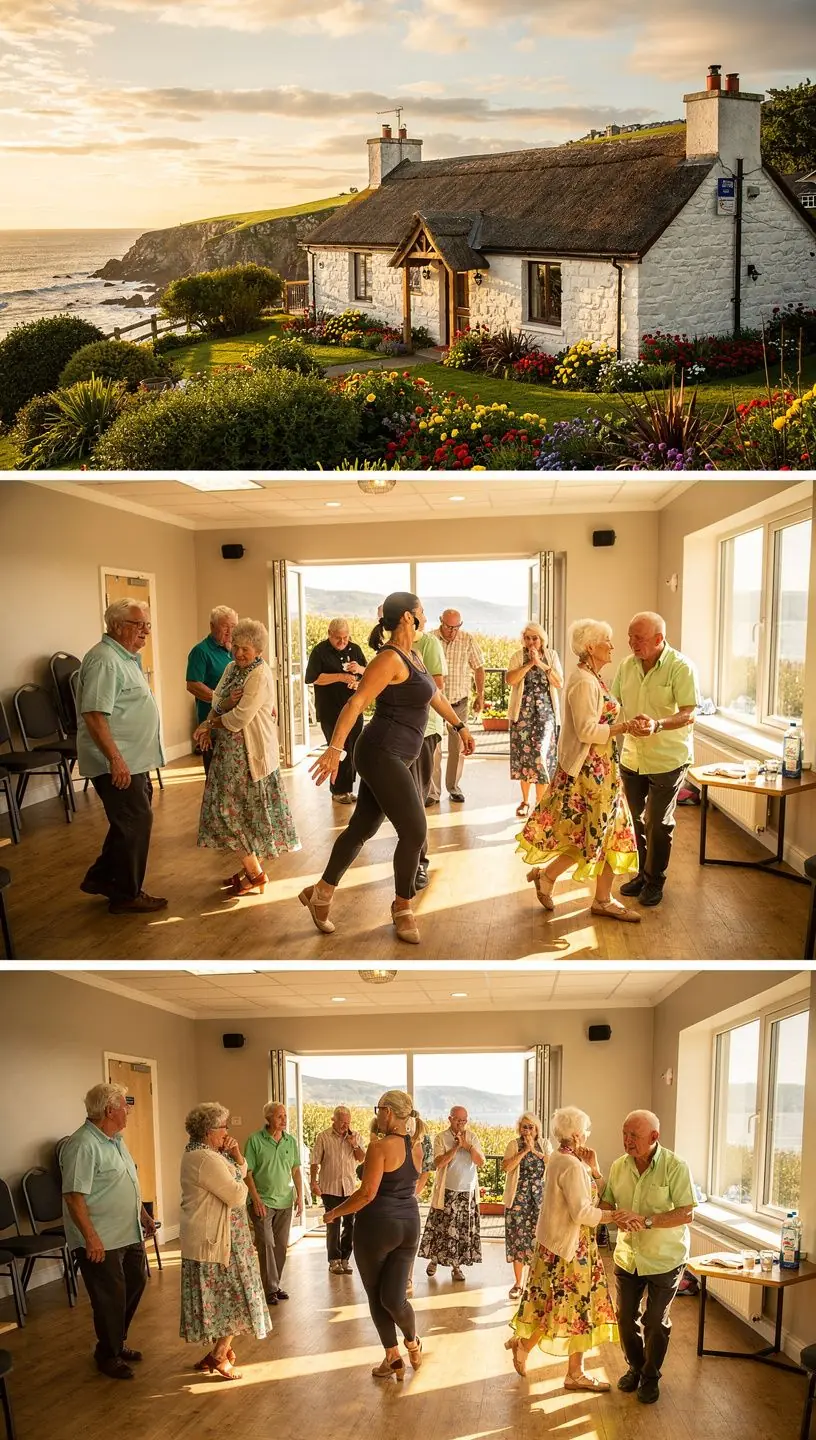
Engaging in regular dance activities, particularly styles like bachata and salsa, can provide numerous benefits for seniors. From physical health improvements to enhanced social interactions, understanding these advantages can encourage more seniors to participate in dance events.
Understanding the Benefits of Dance
Participating in dance has been shown to have a variety of positive effects on both physical and mental health. According to research conducted by the American Journal of Health Promotion, engaging in regular physical activity, such as dancing, can help reduce the risk of chronic conditions like heart disease and diabetes. This is largely because dance enhances cardiovascular health and flexibility.
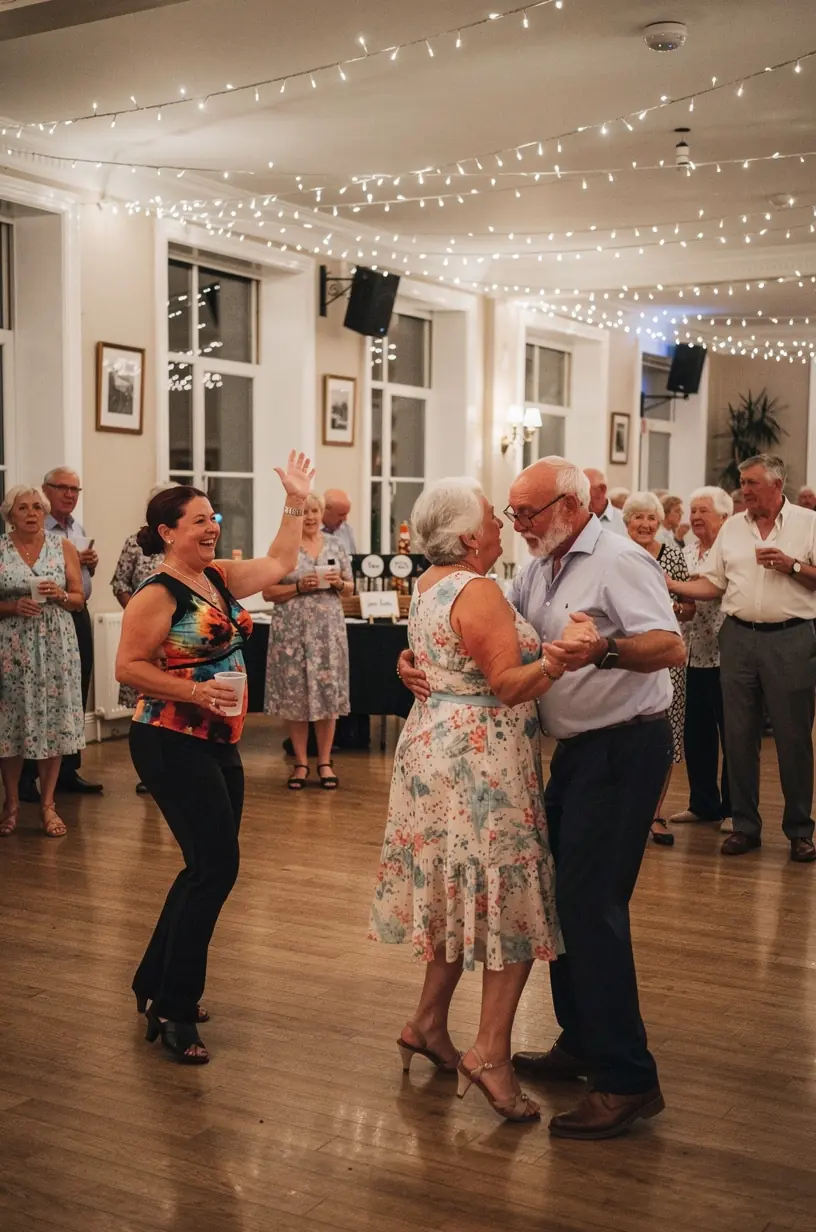
"Physical activities that involve rhythm and social interaction, like dance, can significantly improve overall wellness in seniors." - Dr. Julia Roberts, Geriatric Health Specialist
Physical Health Improvements
Regular attendance at dance events can lead to improved physical health in several ways:
- Enhanced Balance and Coordination: Dance requires maintaining balance while moving, which is essential for preventing falls, a significant concern for seniors. Studies indicate that activities involving dance can improve balance over time.
- Increased Cardiovascular Fitness: Cardio-focused dance styles can elevate heart rates, thereby improving cardiovascular health. Industry experts suggest that just 30 minutes of moderate dancing several times a week can lead to noticeable health improvements.
- Boosted Strength and Flexibility: The varied movements require different muscle engagement, which can strengthen muscles and enhance flexibility, both of which can decline with age.
Mental and Emotional Wellness
Apart from physical benefits, dancing also contributes to mental and emotional health. Many studies have shown that:
- Social Interaction: Regular dance attendance fosters community and social interaction, which can help combat feelings of loneliness and isolation often experienced by seniors.
- Cognitive Function: Learning new dance steps and routines can stimulate brain activity. Research indicates that engaging in these types of activities may help preserve cognitive functions, reducing the risk of dementia.
- Stress Relief: Dancing can be a joyful experience that promotes a positive mood. According to experts, participating in enjoyable activities like dance can reduce stress and improve overall happiness.
Getting Started with Dance
If you're considering regular dance attendance, here are some practical steps:
- Find a Local Class: Look for dance classes or clubs specifically tailored for seniors. Many community centers offer sessions in styles like bachata and salsa.
- Commit to a Schedule: Try to attend classes or events at least once or twice a week. Consistency is key for reaping the full benefits.
- Start Slowly: If you’re new to dancing, it may take some time to get comfortable. Be patient with yourself and allow for a learning curve.
Conclusion
Regular attendance at dance classes is not just a fun activity for seniors; it can also lead to significant improvements in physical health, mental well-being, and social connections. By incorporating dance into your routine, you may discover a reliable way to enhance your quality of life. Remember, results typically manifest over time, so be patient and enjoy the process of learning and engaging with others.