Tips for Starting Your Dance Journey Later in Life
Dancing offers numerous physical and mental health benefits, making it an appealing activity for individuals at any age. For those considering joining dance classes later in life, understanding the process and setting realistic expectations can ease the transition into this exciting new venture.
Understanding the Benefits of Dance
Engaging in dance can improve cardiovascular health, flexibility, and coordination. According to a study published in the Journal of Aging and Physical Activity, participants who danced regularly reported enhanced balance and reduced fall risk, which is particularly important as we age.
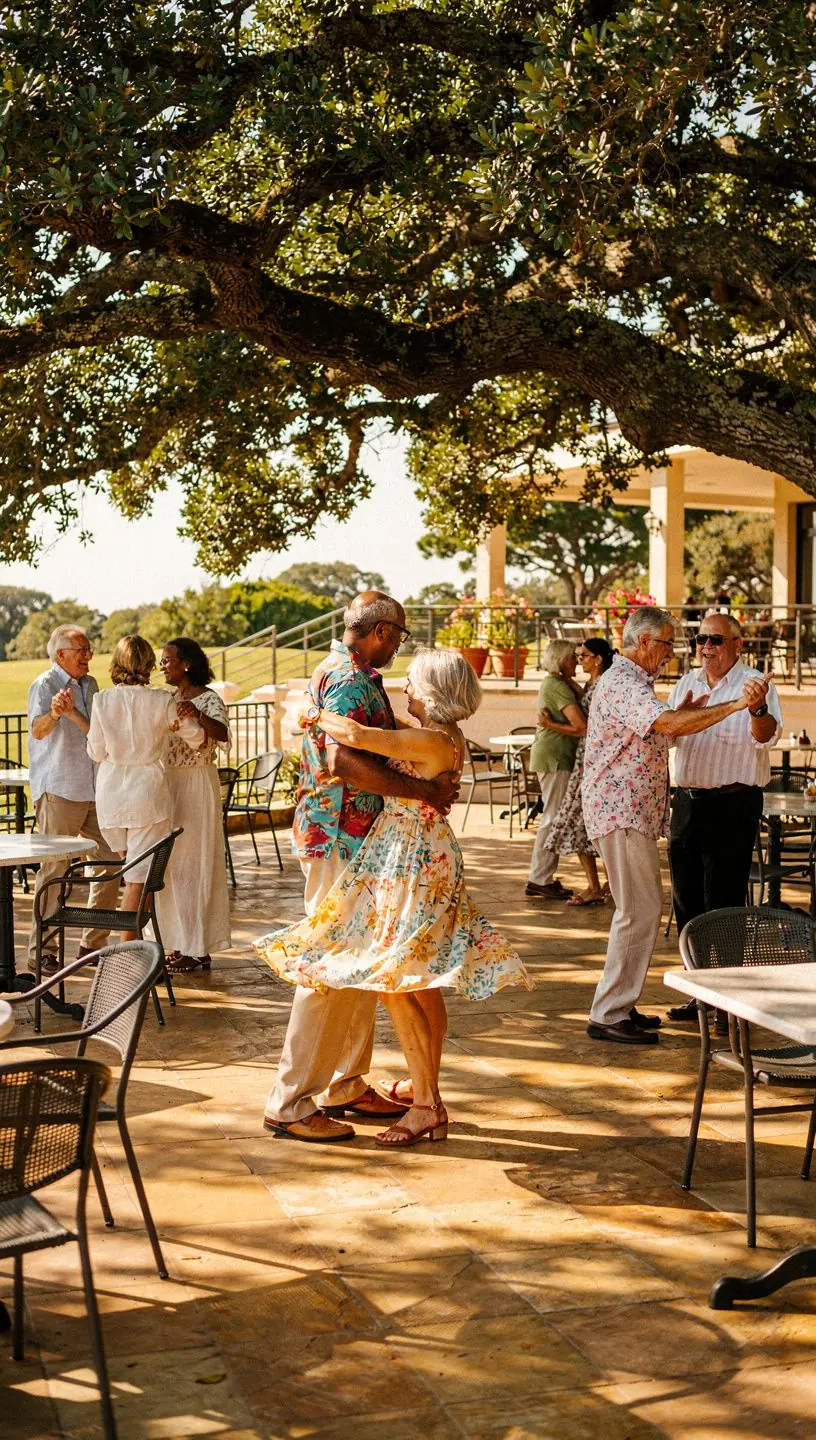
Experts recommend dancing not only for its physical benefits but also for its positive effects on mental well-being. Social dancing can combat loneliness and improve mood, as many users have reported feeling more connected and energized after participating in dance events.
"Regular dance participation has been linked to improved cognitive function and emotional health in older adults." - Dance Research Journal
Choosing the Right Dance Style
When starting your dance journey, it's essential to select a style that resonates with you. Bachata and salsa are both popular choices for social dancing in Ireland. These Latin dance styles are characterized by their rhythmic movements and infectious energy, making them enjoyable for many participants.
Many individuals find that taking a beginner's class in these styles can help build foundational skills, while providing an opportunity to meet others with similar interests. The methodology behind these dance forms emphasizes body movement, rhythm, and partner connection, which can be particularly engaging for newcomers.
Setting Realistic Goals
As you embark on your dance journey, it's vital to set achievable goals. Learning to dance typically involves a learning curve that may take several weeks to months. You may find it helpful to:
- Commit to attending classes at least once a week to build muscle memory and confidence.
- Practice at home, even for short periods, to reinforce what you learn in class.
- Be patient with yourself; progress can often be gradual, and consistency is key.
Research indicates that individuals who set specific, measurable, and time-bound goals are more likely to improve their skills over time. For example, aiming to learn one new dance move each month can provide a clear path to progress.
Connecting with the Community
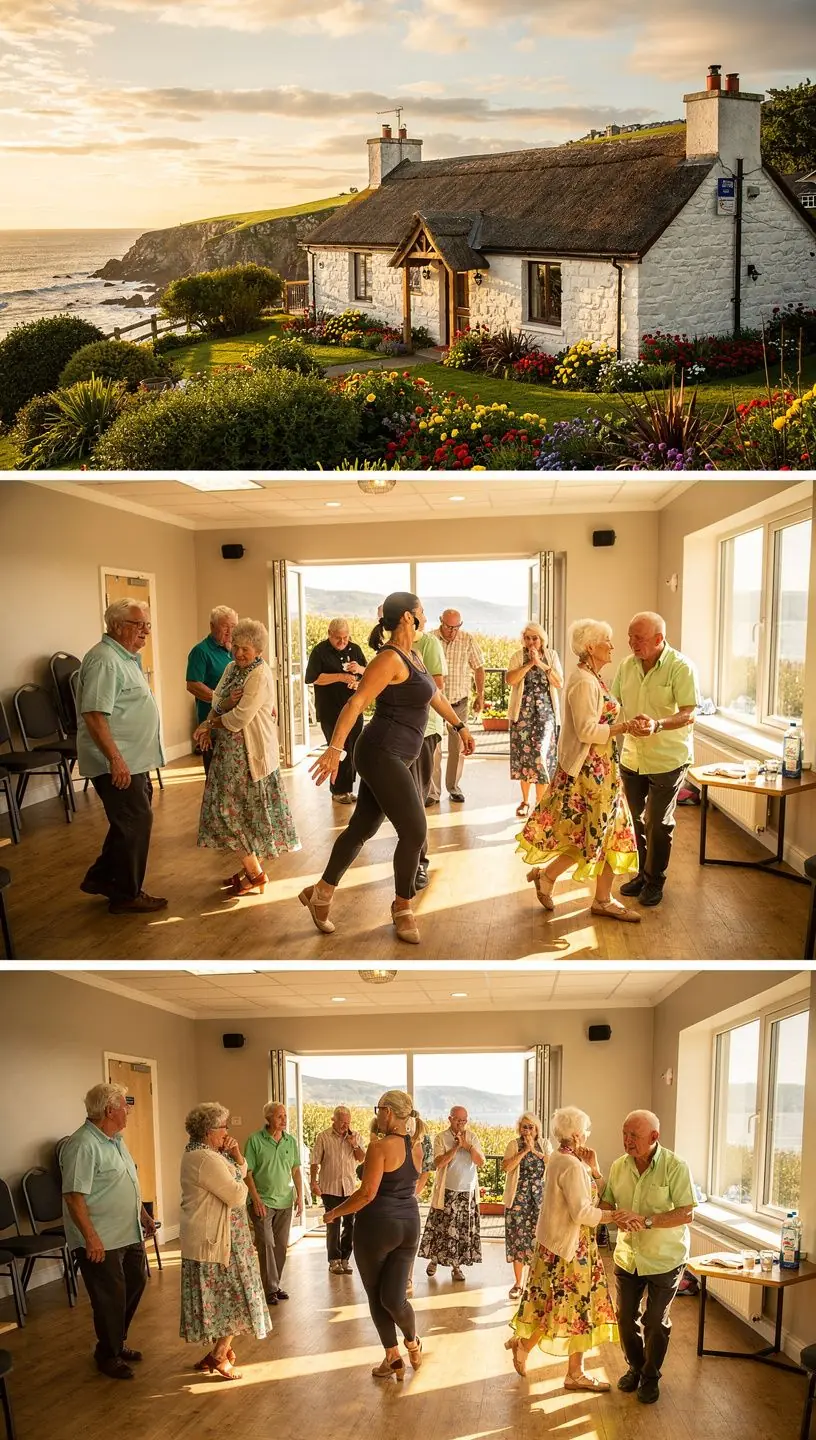
Joining a dance club that offers both classes and social events can enhance your experience significantly. These clubs often host regular social dances, which provide a welcoming environment to practice your skills with others. Engaging with your local dance community can also foster new friendships, creating a sense of belonging that many find fulfilling.
Moreover, participating in organized events can offer additional motivation to hone your skills. Many dance enthusiasts find that incorporating social dancing into their routine enhances their enjoyment and commitment to learning.
Conclusion
Starting your dance journey later in life can be a rewarding experience filled with personal growth and social interaction. By setting realistic expectations, choosing the right style, and engaging with the community, you can enhance your dancing experience and enjoy the myriad benefits it offers. Remember, the journey of learning to dance is as valuable as the destination itself, so embrace the process and have fun!
Learn More