Exploring the Benefits of Dance in Retirement
As retirement approaches, many individuals seek new activities that promote both personal fulfillment and social engagement. Dance, particularly styles like bachata and salsa, offers a range of benefits that go beyond just physical movement. This article explores how dance can enhance the retirement experience, supported by research and expert insights.
Understanding the Benefits of Dance
Research indicates that engaging in dance activities can have numerous health benefits for older adults. According to a study published in the Journal of Aging and Physical Activity, dance is not only a form of physical exercise but also a way to stimulate cognitive function and improve emotional well-being. The principle behind this is that dance requires coordination, memory, and social interaction, which can help keep the brain active and engaged.
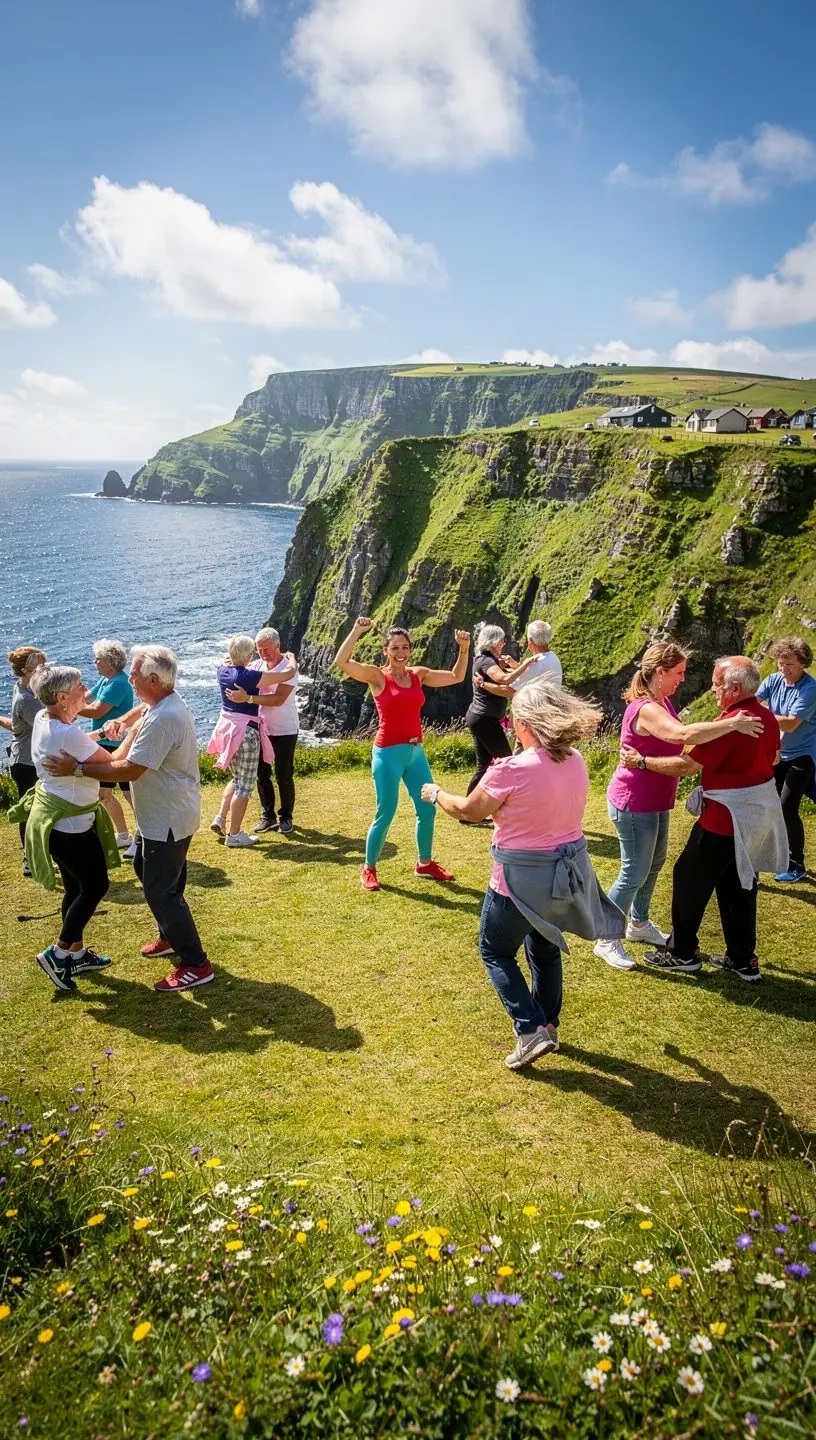
"Dancing can boost your mood and enhance your quality of life—it's more than just a physical activity; it's a holistic experience."
Physical Health Advantages
Participating in dance can provide various physical health advantages:
- Improved Cardiovascular Health: Regular dancing has been shown to strengthen the heart and improve circulation, which is crucial as we age.
- Enhanced Flexibility and Balance: Dance styles often require a range of movements that can improve flexibility and balance, reducing the risk of falls.
- Weight Management: Engaging in dance can burn calories and contribute to maintaining a healthy weight, which is vital for overall health in retirement.
Mental and Emotional Benefits
In addition to the physical benefits, dance can significantly impact mental and emotional health:
- Social Interaction: Joining a dance class fosters meaningful social connections, which can alleviate feelings of loneliness often experienced in retirement.
- Cognitive Engagement: Learning new dance moves and routines challenges the brain, promoting mental agility and possibly reducing the risk of cognitive decline.
- Stress Relief: Many users report that dancing can be a fun and effective way to relieve stress. The rhythmic movement and music work together to create a joyful experience.
Getting Started with Dance
If you're considering incorporating dance into your retirement lifestyle, here are some practical steps:
- Find a Class: Look for local dance clubs or community centers offering bachata or salsa classes. Research shows that participating in group classes enhances motivation.
- Commit Regularly: To reap the benefits, it's recommended to attend dance sessions at least once or twice a week. This typically requires a commitment of a few hours each week.
- Stay Open to Learning: Embrace the learning curve. Dance involves mastering new skills, which can take time and practice.
Conclusion
In conclusion, incorporating dance into your retirement lifestyle can provide a multitude of benefits, including improved physical health, enhanced mental well-being, and valuable social connections. By engaging in styles like bachata and salsa, individuals not only enjoy the rhythm and movement but also contribute to a holistic approach to health that can lead to a fulfilling retirement experience. Remember, the journey of learning to dance is about enjoyment and growth—embrace it with an open heart!
Learn More